
Physio Mount Waverley at Leap Healthcare
At Leap Healthcare physio Mount Waverley, we provide modern, one-on-one physiotherapy designed to help you recover from injury, improve movement, and build long-term strength. Your first session begins with understanding your condition, history, and goals. We use both clinical assessment and quantitative tools such as VALD ForceDecks and DynaMo dynamometers to identify deficits, measure progress, and guide each stage of your recovery.
You’ll receive a clear, structured plan that combines hands-on treatment, targeted exercise, and education to help you self-manage confidently between sessions. Whether you’re managing chronic pain, recovering after surgery, or aiming to return to sport, our focus is on safe, measurable, and sustainable improvement.
Our goal is simple. To help you move better, perform better, and live stronger for life.
Conditions We Commonly Treat
Back and neck pain
Shoulder pain, rotator cuff and impingement
Elbow pain and tennis elbow
Hip and groin pain
Knee and ankle injuries
Tendinopathies (Achilles, patellar, gluteal, elbow)
Plantar fasciitis and heel pain
Muscle strains and tears
Sports and overuse injuries
Running-related pain and load management
Post-operative rehabilitation
Mobility and balance limitations
Work-related or repetitive strain injuries
Prehabilitation before surgery
Arthritis and joint stiffness
Chronic pain or recurrent injuries
No Referral Needed
Don't have a referral? no worries.
You can book directly with us, a doctor's referral isn't required
Book Now
Book Now
What we treat the most and how we treat it
Physiotherapy can help a wide range of musculoskeletal, sport, and lifestyle-related injuries.
Below are the most common presentations we see at Leap Healthcare Mount Waverley, grouped by region, with clear explanations of what they are and how physiotherapy supports recovery.
" height="19.90800827040425px" id="rXVGoQsE9" transform="translate(4 2.092)" width="16px"/></svg>)
Lower Back & Sciatic Pain
Lumbar Disc Bulge / Herniation
Discs are shock absorbers between spinal bones. When a disc bulges, it can irritate nearby joints or nerves and cause local pain or tingling down a leg.
Focus: restore movement confidence, teach positions that reduce pressure, and rebuild spinal and hip strength.
Facet Joint Irritation
Small joints at the back of the spine can stiffen or inflame from overload or awkward movement.
Focus: gentle mobility work, education on pacing, and progressive core control.
Muscle Strain
Tight or fatigued spinal muscles can spasm after lifting or prolonged sitting.
Focus: movement, stretching, gradual strengthening, and advice to prevent recurrence.
Sacroiliac (SIJ) Joint Pain
Pain around the base of the spine or buttock caused by joint imbalance between pelvis and spine.
Focus: pelvic alignment strategies and glute/core strengthening.
Sciatica / Nerve Irritation
Compression or sensitisation of the sciatic nerve can cause burning or tingling into the leg.
Focus: nerve-safe movement, posture education, and gradual return to normal activity.
" transform="translate(6 0.75)" width="12.828000198364258px"/></svg>)
Neck, Upper Back & Headache Pain
Cervical Joint Dysfunction
Joints in the neck can stiffen or lock, leading to sharp pain or restricted turning.
Focus: manual release, posture retraining, and upper-back mobility.
Postural Neck Pain
Long periods at a desk or on devices lead to muscle fatigue and headaches.
Focus: ergonomic education and endurance training for neck and shoulder stabilisers.
Cervicogenic Headaches
Headaches that begin from stiffness in the upper neck.
Focus: movement education and gentle strengthening of deep neck flexors.
Whiplash / Strain
Common after sudden movement or car accidents.
Focus: restore neck motion safely and rebuild confidence through guided movement.
Thoracic Stiffness
Mid-back tightness limiting posture and breathing.
Focus: mobility drills and spinal extensor strengthening.
" height="16px" id="UDEY6mVrN" transform="translate(0.5 4.409)" width="23px"/></svg>)
Shoulder, Elbow, Wrist & Hand Pain
Rotator Cuff Tendinopathy
Overuse or age-related irritation of shoulder stabilising tendons.
Focus: graded loading and shoulder control education.
Subacromial Bursitis
Inflammation under the shoulder blade from repetitive overhead work.
Focus: reduce irritation and restore pain-free movement arcs.
Shoulder Impingement
Tendons get pinched when shoulder movement patterns are inefficient.
Focus: movement correction and muscle balance.
Frozen Shoulder (Adhesive Capsulitis)
Gradual stiffness and pain developing over months.
Focus: maintain mobility within tolerance and rebuild strength gradually.
Shoulder Instability / Labral Injury
Common in throwing athletes or after dislocation.
Focus: stability and control in overhead positions.
Tennis Elbow (Lateral Epicondylalgia)
Pain on the outer elbow from gripping or repetitive work.
Focus: load modification and progressive forearm strengthening.
Golfer’s Elbow (Medial Epicondylalgia)
Inner-elbow pain from repeated wrist flexion or lifting.
Focus: targeted exercise and load education.
Carpal Tunnel Syndrome
Pins and needles in the hand from nerve compression at the wrist.
Focus: posture and activity education, referral if severe.
Wrist Sprain / TFCC Injury
Pain when twisting or weight-bearing through the wrist.
Focus: graded loading and functional strength rebuilding.
Thumb Base Arthritis
Ache and weakness in the thumb when gripping.
Focus: joint protection and strengthening.
" height="21.999999596521818px" id="XGgfs4Hgd" transform="translate(1 1)" width="22.000001644215224px"/></svg>)
Hip, Groin & Pelvic Pain
Gluteal Tendinopathy
Pain on the outside of the hip when lying on your side or walking uphill.
Focus: education on posture, hip control, and strengthening.
Trochanteric Bursitis
Inflamed bursa over the hip bone causing tenderness.
Focus: load reduction and gradual return to activity.
Adductor / Groin Strain
Common in kicking or change-of-direction sports.
Focus: controlled strengthening and flexibility balance.
Femoroacetabular Impingement (FAI)
Extra bone shape in the hip joint causing pinching.
Focus: mobility, stability, and movement education.
Hip Osteoarthritis
Joint wear causing stiffness after sitting or in the morning.
Focus: exercise therapy to maintain strength and delay progression.
" transform="translate(3 3)" width="18px"/><path d="M 0 3 L 9.012 6.245 C 9.066 6.779 9.299 7.279 9.671 7.666 C 10.043 8.052 10.534 8.303 11.066 8.377 C 11.597 8.452 12.138 8.347 12.603 8.078 C 13.067 7.809 13.428 7.392 13.627 6.893 C 13.827 6.395 13.854 5.844 13.704 5.329 C 13.553 4.814 13.235 4.364 12.799 4.051 C 12.363 3.738 11.835 3.58 11.298 3.603 C 10.762 3.626 10.249 3.827 9.841 4.176 L 0 0 M 14.4 14.4 L 15 9.174 C 14.55 9.686 13.996 10.096 13.376 10.376 C 12.755 10.656 12.081 10.801 11.4 10.8 L 12 14.4" fill="transparent" height="14.399989839172363px" id="qvZsrXANm" stroke-dasharray="" stroke-linecap="round" stroke-linejoin="round" stroke-width="1.5" stroke="rgb(0, 0, 0)" transform="translate(3 6.6)" width="14.999999618530273px"/></svg>)
Knee, Ankle & Foot Pain
Patellofemoral Pain Syndrome (Runner’s Knee)
Pain around or behind the kneecap during stairs, squats, or running.
Focus: improve leg strength balance and knee alignment awareness.
Patellar Tendinopathy (Jumper’s Knee)
Pain below the kneecap from repetitive jumping or sprinting.
Focus: controlled loading and gradual return to impact.
Meniscus Injury
Cartilage tear inside the knee causing locking or catching.
Focus: restore range and safe function under guidance.
Ligament Sprain / ACL Injury
Knee instability after twisting or landing.
Focus: structured rehab to restore strength and control.
Knee Osteoarthritis
Stiffness and aching from cartilage wear.
Focus: maintain joint strength, mobility, and everyday function.
Lateral Ankle Sprain
Rolled ankle causing swelling and instability.
Focus: regain balance and confidence in walking and sport.
Achilles Tendinopathy
Pain or stiffness at the back of the heel, worse in the morning.
Focus: progressive strengthening and load management.
Plantar Fasciitis
Heel pain stepping out of bed, from irritation of the foot fascia.
Focus: education on footwear, gentle mobility, and progressive loading.
Mid-Foot or Toe Joint Pain
Often linked to stiffness or altered walking patterns.
Focus: mobility work and gait retraining.
" height="21.500000095619416px" id="oj8DCIw9X" transform="translate(2.25 1.25)" width="19.5px"/></svg>)
Sports, Running & Overuse Injuries
Shin Splints (Medial Tibial Stress Syndrome)
Pain along the inside of the shin after increased training load.
Focus: load advice and calf and hip strength.
IT Band Syndrome
Pain on the outer knee or thigh during running.
Focus: hip stability and running technique.
Hamstring or Calf Strain
Tightness or sudden pain during acceleration.
Focus: guided recovery and prevention education.
Groin & Adductor Strain
Frequent in sports with quick direction changes.
Focus: balanced strength and mobility.
Shoulder & Elbow Overload
From throwing or lifting sports.
Focus: shoulder stability and load management.
Glute Weakness / Overload
Can contribute to hip, knee, or back pain in runners.
Focus: strength rebalancing and gait retraining.
" transform="translate(2 22)" width="20px"/><path d="M 14 20 L 14 4 C 14 2.114 14 1.172 13.414 0.586 C 12.828 0 11.886 0 10 0 L 8 0 C 6.114 0 5.172 0 4.586 0.586 C 4 1.172 4 2.114 4 4 L 4 20 M 18 20 L 18 6.5 C 18 5.096 18 4.393 17.663 3.889 C 17.517 3.671 17.329 3.483 17.111 3.337 C 16.607 3 15.904 3 14.5 3 M 0 20 L 0 6.5 C 0 5.096 0 4.393 0.337 3.889 C 0.483 3.671 0.671 3.483 0.889 3.337 C 1.393 3 2.096 3 3.5 3" fill="transparent" height="20px" id="xsXDZwZKF" stroke-dasharray="" stroke-linecap="butt" stroke-linejoin="miter" stroke-miterlimit="10" stroke-width="1.5" stroke="rgb(0, 0, 0)" transform="translate(3 2)" width="18px"/><path d="M 6.5 14 L 6.5 11 M 4.5 4 L 8.5 4 M 0 3 L 1.5 3 M 0 6 L 1.5 6 M 11.5 3 L 13 3 M 11.5 6 L 13 6 M 0 0 L 1.5 0 M 11.5 0 L 13 0 M 4.5 7 L 8.5 7" fill="transparent" height="14px" id="XZdSbhEcP" stroke-dasharray="" stroke-linecap="round" stroke-linejoin="miter" stroke-miterlimit="10" stroke-width="1.5" stroke="rgb(0, 0, 0)" transform="translate(5.5 8)" width="13px"/><path d="M 2 4 L 2 0 M 4 2 L 0 2" fill="transparent" height="4px" id="zAou8pXV1" stroke-dasharray="" stroke-linecap="round" stroke-linejoin="round" stroke-width="1.5" stroke="rgb(0, 0, 0)" transform="translate(10 5)" width="4px"/></svg>)
Post-Surgical Rehabilitation & Prehabilitation
Post-Surgical Rehabilitation
Includes ACL reconstruction, meniscus repair, rotator cuff repair, hip or knee replacement, and fracture recovery.
Focus: milestone-based rehab, safe progression, and confidence in movement.
Prehabilitation (Before Surgery)
Building strength, flexibility, and confidence before surgery helps faster recovery and smoother post-op outcomes.
" transform="translate(2 3)" width="20px"/><path d="M 0 0 L 0.652 0.202 C 4.138 1.267 7.862 1.267 11.348 0.202 L 12 0 M 6 1 L 6 3" fill="transparent" height="3px" id="ILeANsMlq" stroke-dasharray="" stroke-linecap="round" stroke-linejoin="round" stroke-width="1.5" stroke="rgb(0, 0, 0)" transform="translate(6 11)" width="12px"/></svg>)
Work-Related, Postural & Repetitive Strain Injuries
Occupational Back or Neck Pain
From prolonged sitting or repetitive lifting.
Focus: ergonomic advice and endurance training.
RSI / Wrist & Forearm Overuse
Typing, gripping, or tool use.
Focus: pacing and safe strengthening.
Manual Labour Fatigue Injuries
Strain from repetitive or heavy work.
Focus: movement efficiency and resilience.
Postural Pain & Movement Imbalance
From sitting or standing for long periods.
Focus: restore balanced posture and efficient movement.
" transform="translate(2 2.03)" width="20px"/></svg>)
Arthritis, Chronic & Age-Related Conditions
Osteoarthritis (Hip, Knee, Spine, Hand)
Joint cartilage wears down, causing stiffness and ache.
Focus: targeted exercise and mobility to maintain function.
Inflammatory Arthritis
Autoimmune conditions such as rheumatoid arthritis may flare periodically.
Focus: gentle movement and coordination with your GP or specialist.
Reduced Balance, Mobility, or Weakness
Age-related changes can make daily activities harder.
Focus: safe, progressive exercise to build steadiness and independence.
Chronic or Persistent Pain
Pain that lasts beyond normal healing time.
Focus: education on pain science, graded activity, and building confidence in movement.
What to Expect at Your First Appointment
Your first physiotherapy session at Leap Healthcare is a 45-minute consultation that focuses on understanding your body, your goals, and the cause of your pain.
Step 1: History and Discussion
We start by understanding your history - when symptoms began, what aggravates or eases them, and how they affect your daily activities, sport, or work.
Step 2: Physical Assessment
We assess your movement, strength, and control using both qualitative observation and quantitative tools such as VALD DynaMo and VALD ForceDecks. This helps us identify not just the pain, but the reason behind it.
Step 3: Goal Setting and Plan Outline
Together we define clear short-term and long-term goals. You’ll leave with a straightforward plan that outlines what needs to happen, how long it’s likely to take, and how we’ll track your progress.
Step 4: Treatment and Education
Treatment may include hands-on therapy, movement retraining, or early activation exercises. We’ll also guide you on how to modify activity safely and start building confidence from your first session.
Step 5: Follow-Up Sessions
Follow-up sessions are focused, personalised, and progress-driven. They typically include:
Exercise progressions tailored to your recovery stage
Hands-on treatment when appropriate
Load management and self-care strategies
Coaching through your exercise plan
Re-testing using measurable data to confirm improvement
How Treatment Works at Leap
Hands-On Treatment
Used when appropriate to reduce pain, restore movement, and prepare the body for active rehabilitation.
Exercise-Based Rehabilitation
We use our dedicated gym space equipped with IronEdge strength equipment to rebuild strength, improve control, and ensure safe load progression.
Load Management and Programming
Every plan is carefully progressed to build resilience without flare-ups. We teach you how to understand your body’s response to training and recovery.
Education and Self-Management
We help you understand what caused your condition, how to prevent it from recurring, and how to self-monitor progress long term.
Collaboration With GPs and Specialists
When needed, we coordinate with your GP or specialist to ensure your care aligns with any medical or surgical management plans.
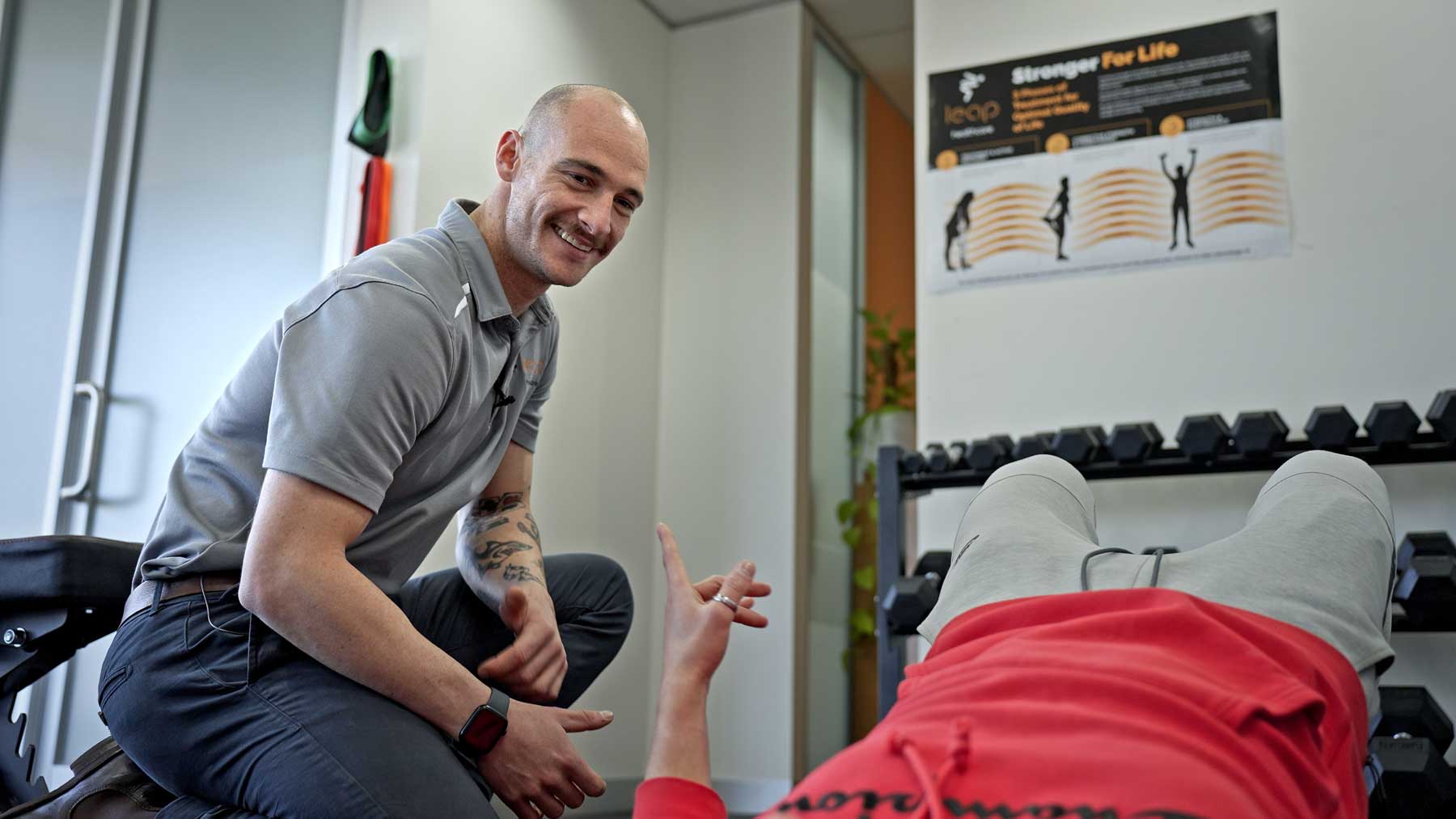
Phases of Care
A structured approach ensures safe, progressive recovery and lasting results.
Phase 1 – Pain and Function Restoration
We aim to reduce pain, calm irritation, and restore comfortable movement and function.
Phase 2 – Strength Building and Load Capacity
Once symptoms settle, we rebuild muscle strength, joint control, and endurance for everyday and sporting demands.
Phase 3 – Integration and Return to Activity
We reintroduce work, sport, and functional tasks with a focus on control, confidence, and efficient movement.
Phase 4 – Performance Maintenance
Once you’re back to full activity, we guide ongoing conditioning and prevention strategies to maintain progress.
Who This Service Is Best For
People wanting to move pain-free and regain confidence in their body
Workers managing repetitive load or physical demands
Recreational, sub-elite, and elite athletes
Individuals recovering from or preparing for surgery
Anyone who wants safe, guided exercise in a professional environment
Red Flags and When to Seek Advice
If you experience sudden, severe pain, loss of movement, numbness, or swelling after injury, seek prompt medical advice. If you’re unsure, our physiotherapists can assess your symptoms and advise whether imaging or a GP referral is needed.
How We Personalise Your Plan
Every treatment plan is created for your specific condition, goals, and lifestyle.
Goal Setting: we clarify what success means for you, whether it’s pain-free living or returning to sport.
Tailored Exercise Prescription: exercises are chosen based on your assessment and capacity.
Home Exercise Program: provided digitally with clear instructions and demonstration videos.
Progress Tracking: using VALD technology, we collect objective data to measure your progress.

Clinic and Facilities
Our Mount Waverley clinic offers a calm, private space for recovery and rehabilitation.
Private treatment rooms for one-on-one consultations and manual therapy
A purpose-built gym with squat racks, Smith machine, and pin-loaded strength equipment
VALD ForceDecks and DynaMo systems for accurate strength and balance testing
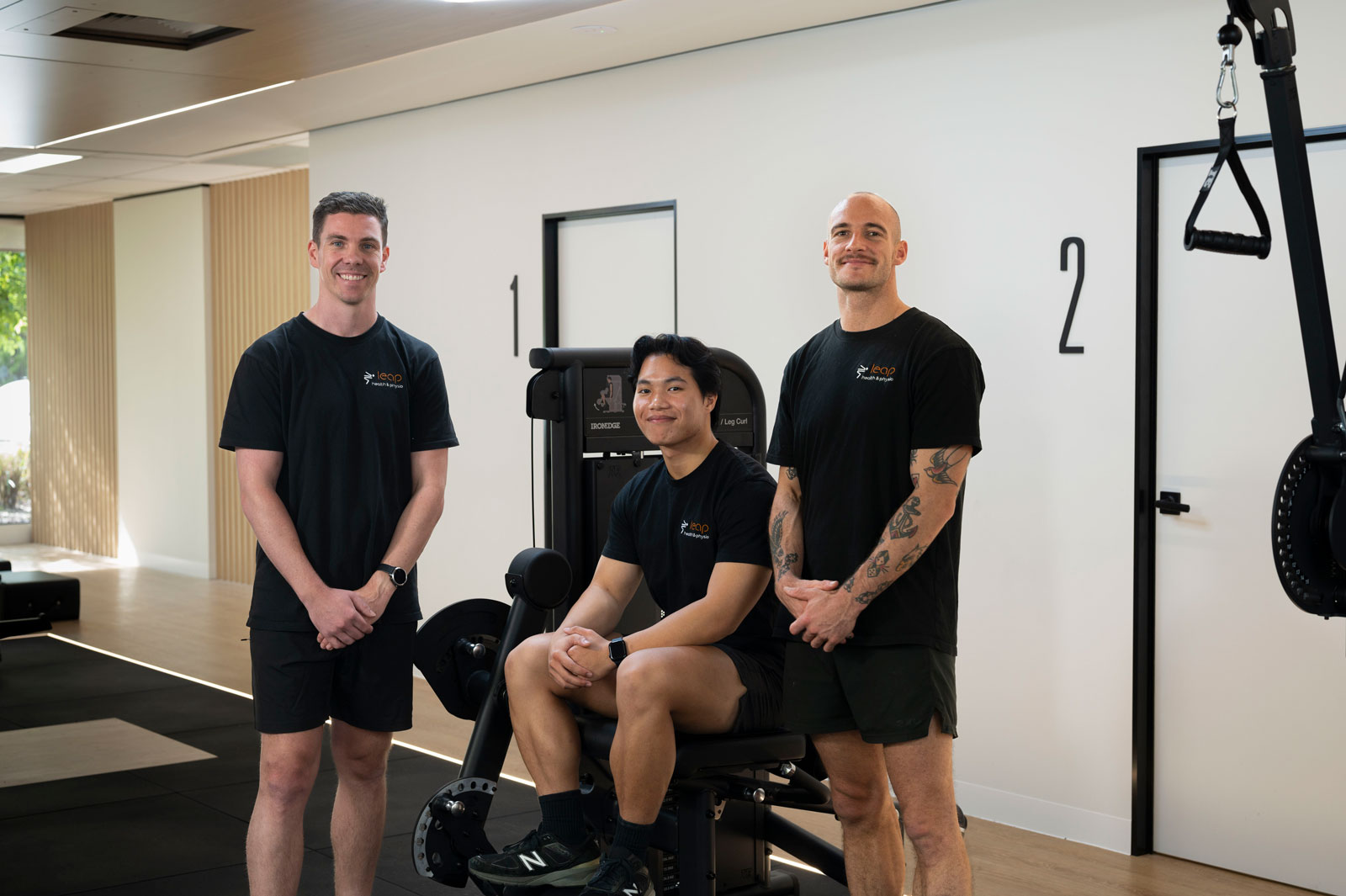
Why Choose Leap Healthcare
Experienced Team
Our physiotherapists are experts in musculoskeletal rehabilitation and injury management. We bring a performance mindset to everyday recovery and care.
Clear Communication
You’ll always know why we’re doing something, how it helps, and what to expect next.
One-on-One Care
All sessions are one-on-one, giving you the attention and feedback needed for genuine progress.
Measured Results
We track progress using measurable testing and clear milestones, ensuring your results are transparent and consistent.
Our Core Values
Gold Standard Care
We provide modern physiotherapy that focuses on function and long-term results, not just temporary relief.
Accurate and Evidence-Based Practice
Our approach combines current research with clinical reasoning and modern technology to achieve measurable outcomes.
Human Performance and Functional Health
Health is more than being pain-free. We help you move and perform with confidence in daily life, work, and sport.

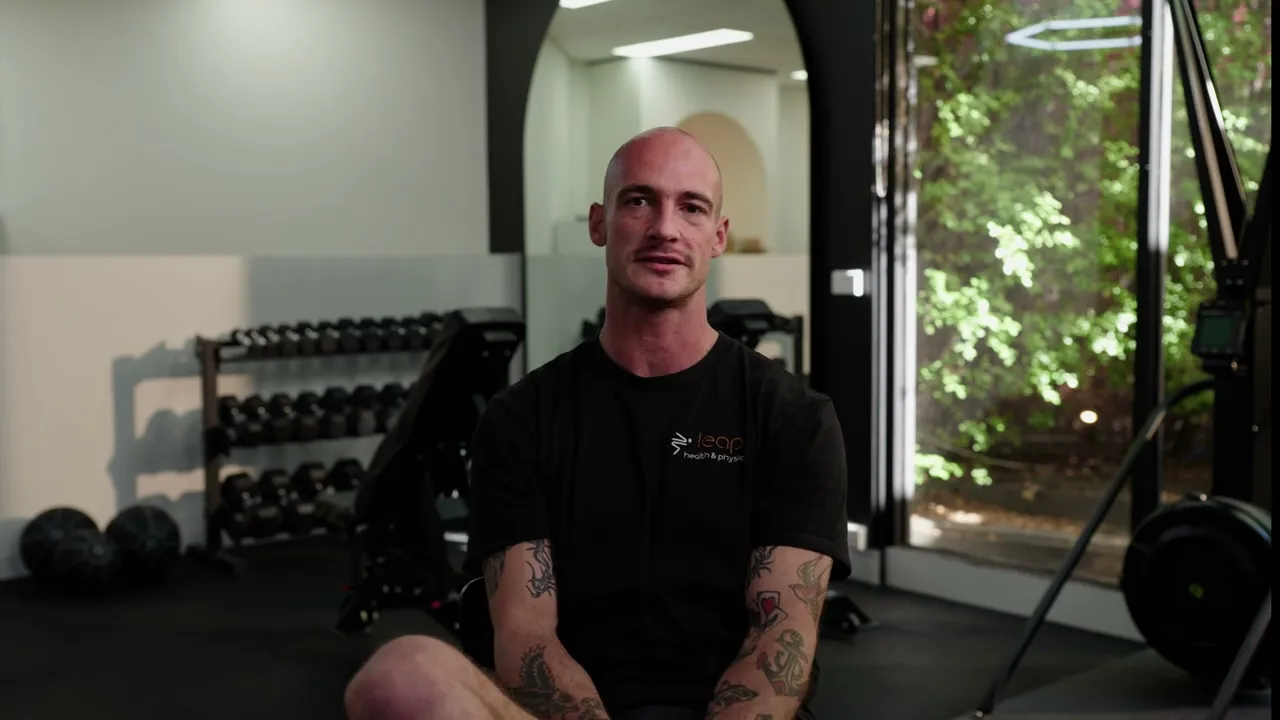
Tom Casey - Physiotherapist, Leap Healthcare
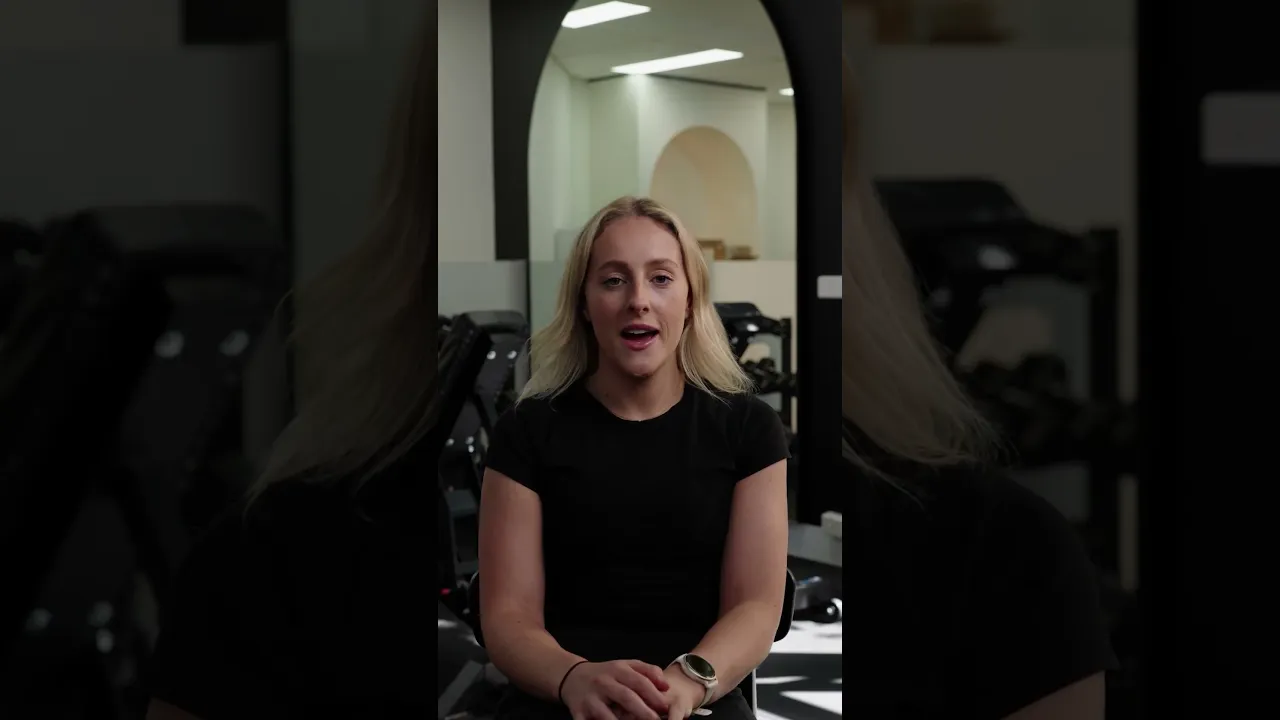
Step Inside Leap Healthcare
Get a feel for our Mt Waverley clinic and meet the team behind your care. See how we support recovery, performance and long-term movement through one-on-one treatment and expert physiotherapy.
Frequently Asked Questions
Do I need a referral to see a physiotherapist?
No. You can book directly. A referral is only required for EPC, TAC, or WorkCover claims.
How long are appointments and what should I wear?
Initial consultations are 45 minutes and follow-up sessions are 30 minutes. Wear comfortable clothing that allows easy movement.
How long will recovery take?
It depends on your condition and goals. We’ll outline a clear plan and timeline during your first session, then review progress regularly.
Book online now for
Physiotherapy
Book Now
Book Now